Why Do We Fear Rejection? Understanding the Hidden Reasons Behind It
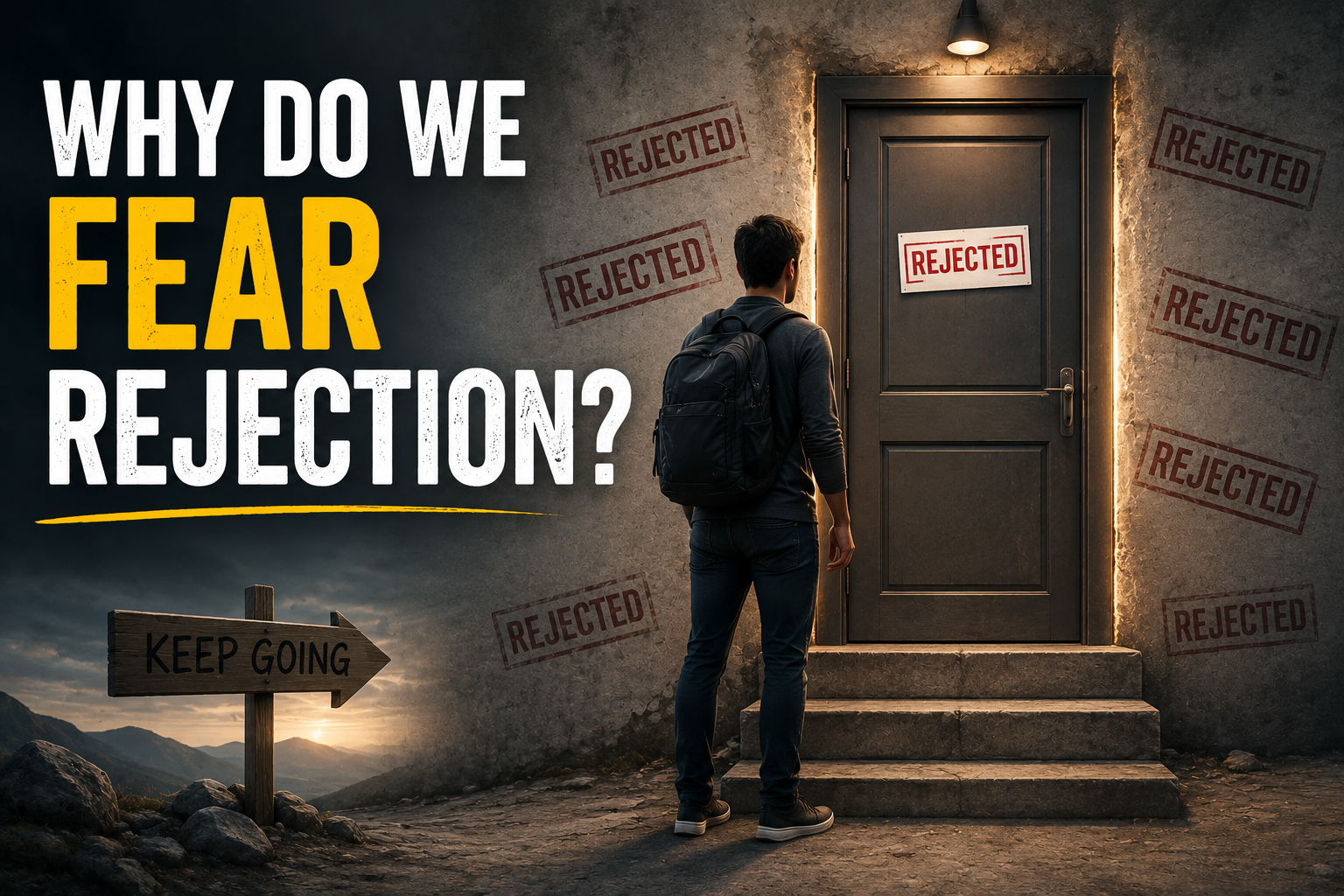
Almost everyone has experienced rejection at some point in life. Whether it’s being turned down for a job, ignored by someone you like, or having your ideas dismissed, rejection can feel painful. Sometimes, the fear of rejection becomes so strong that it stops people from taking opportunities, expressing themselves, or pursuing their goals.But why does rejection affect us so deeply? The answer is more complex than most people think. Understanding the root of this fear can help us manage it and build greater confidence.
Rejection Feels Like a Threat to Belonging

Humans are naturally social beings. Since ancient times, survival depended on being accepted by a group.
People who were excluded often faced greater risks and fewer chances of survival.
Although modern life is very different, our brains still react strongly to social rejection.
When we feel rejected, a part of us may interpret it as losing connection, support, or acceptance.
This is why even small forms of rejection can feel emotionally uncomfortable.
We Often Connect Rejection to Our Self-Worth
One of the biggest reasons people fear rejection is that they take it personally.
When someone says “no,” many people immediately think:
. I’m not good enough.
. I’m not talented enough.
. People don’t like me.
In reality, rejection usually reflects a situation, preference, timing, or circumstance rather than a person’s value.
However, when self-worth depends heavily on outside approval, rejection feels much more painful than it actually is.
The way we react to rejection is often shaped by our mindset. People with a growth-oriented mindset see rejection as a lesson, while others see it as a permanent failure. Read our guide on Rich Mindset and Poor Mindset to understand this difference.
Fear of Judgment Makes Rejection Worse

Many people are not afraid of rejection itself. They are afraid of what others might think after the rejection happens.
For example, someone may avoid applying for a promotion because they worry about looking unsuccessful if they are rejected. Another person may avoid speaking in public because they fear criticism.
In many cases, the fear of being judged becomes bigger than the actual rejection.
Past Experiences Can Create Strong Fear
Negative experiences from the past can shape how people respond to rejection today.
A person who was frequently criticized as a child may become highly sensitive to rejection as an adult. Similarly, repeated failures, social embarrassment, or painful relationships can make people expect rejection even when no real threat exists.
The mind often tries to protect itself by avoiding situations that could cause similar emotional pain.
The Fear of Rejection Limits Growth
Ironically, avoiding rejection often creates bigger problems than rejection itself.
People may avoid:
. Starting a business
. Applying for better jobs
. Meeting new people
. Sharing creative ideas
. Taking leadership opportunities
As a result, they miss experiences that could help them grow. Every successful person has faced rejection, but they continued moving forward despite it.
One reason successful people keep moving forward is their way of thinking. They focus on opportunities instead of obstacles. Learn more in How Successful People Think.
How to Overcome the Fear of Rejection
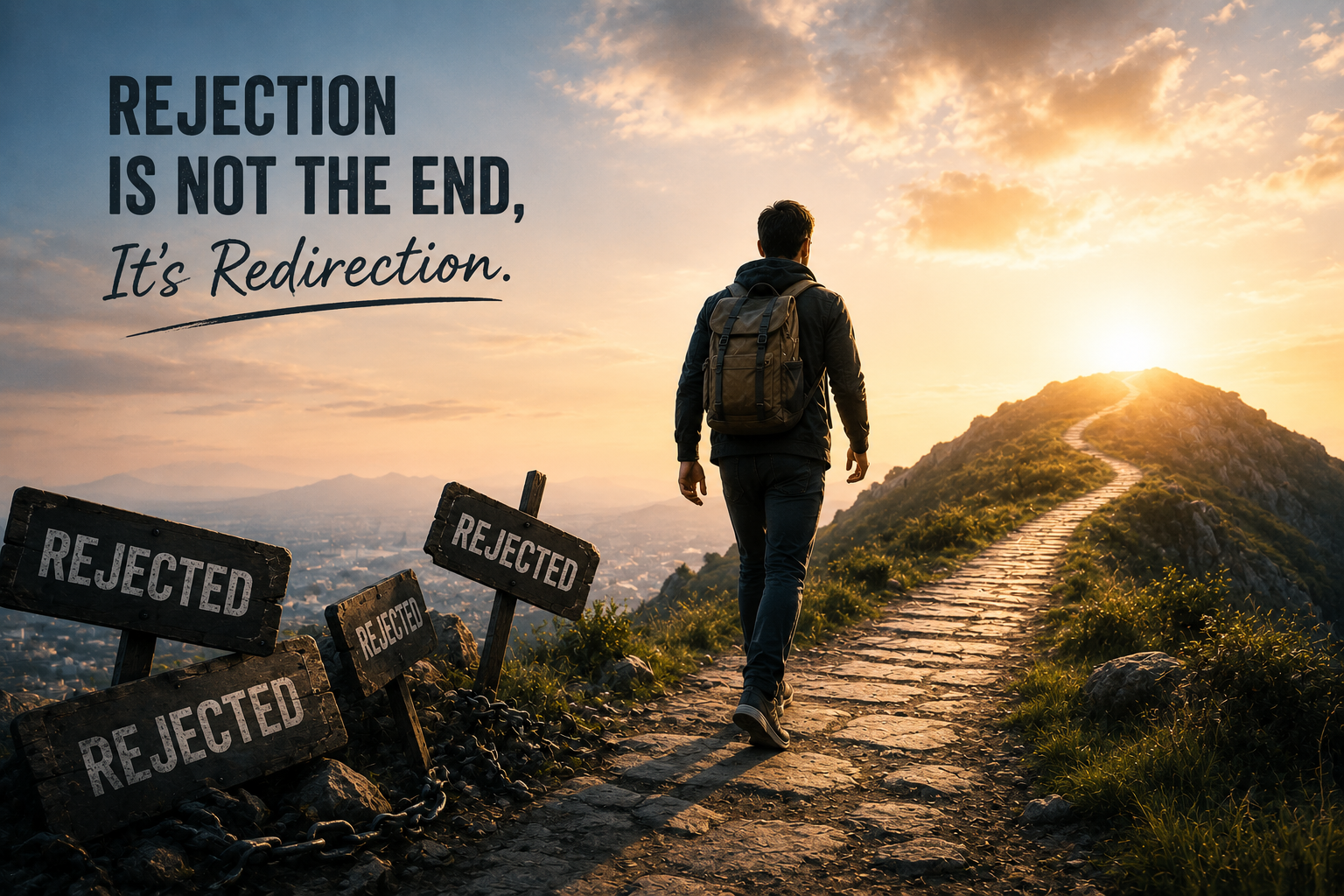
The first step is realizing that rejection is a normal part of life. No person is accepted by everyone, and no successful individual has avoided rejection completely.Here are a few practical ways to handle it:
1. Separate Rejection From Self-Worth
A rejection does not define your value as a person.
It simply means that a particular situation did not work out.
2. Focus on Learning
Instead of asking, “Why did I fail?” ask, “What can I learn from this experience?”
3. Take Small Risks
Start by putting yourself in situations where rejection is possible but manageable.
Over time, your confidence will grow.
4. Remember That Everyone Faces Rejection
Even highly successful entrepreneurs, athletes, and leaders have faced countless
rejections before achieving success.
Building confidence is easier when you follow positive daily habits. Many high achievers reduce self-doubt through structured routines and disciplined actions. Check out Daily Routine of Successful People to see how they stay focused and productive.
Final thoughts
The fear of rejection is deeply connected to our desire for acceptance, belonging, and self-worth.While rejection can be uncomfortable, it is not a sign of failure or inadequacy. In many cases, it is simply part of growth and progress.
The more we understand rejection, the less power it has over us. Instead of avoiding opportunities because of fear, we can learn to view rejection as feedback, experience, and a natural step on the path to success.